Evidence, autumn manure, the other countries, and how it all fits together
What an officer asks to see
There's no prescribed record format, which is why people struggle. In practice a visit goes better if you can produce:
- Soil analysis less than five years old for the fields in question.
- A nutrient management plan showing the crop requirement and what you planned to apply.
- Application records - product, rate, date, field.
- Something showing you assessed the risk before spreading, such as a dated note on weather and soil conditions.
Most farms have nothing for the last one. The decision got made sensibly enough, but nobody wrote it down. In Soil Benchmark the conditions go on the application job sheet, alongside the rate and the field, so the note is made by whoever was there on the day rather than reconstructed by someone else in an office later.
Autumn and winter manure, and how this gets enforced
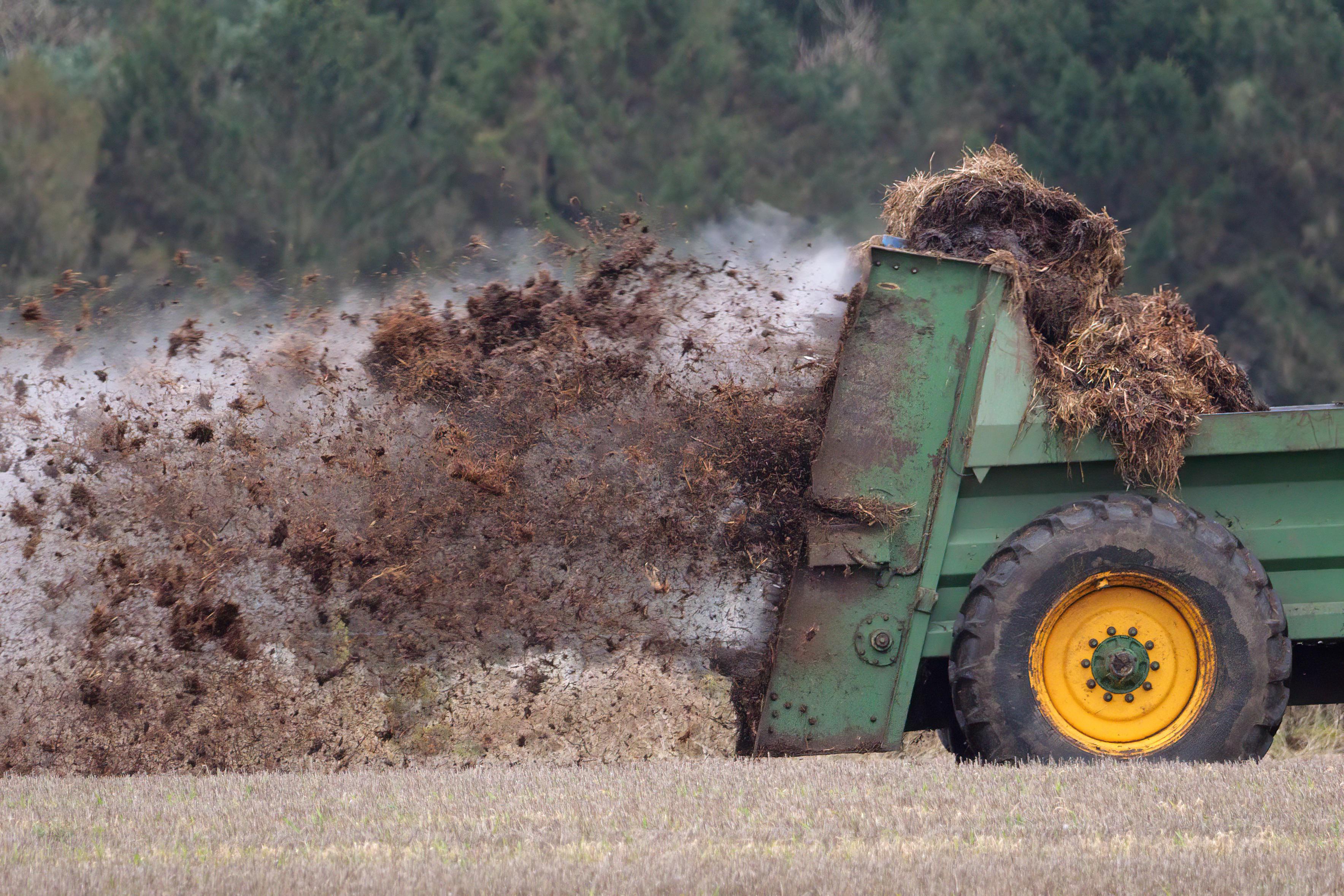
Two beliefs circulate about this, and neither is right. One is that the rules ban autumn spreading of organic manure outright. The other is that farms carrying a lot of muck are somehow exempt from the crop need test.
What actually exists is statutory guidance from Defra, Applying the Farming Rules for Water, which tells the Environment Agency how to enforce the nutrient application rule. It doesn't disapply the rule. It directs the Agency, when deciding whether enforcement is appropriate, to take account of the precautions you took, in particular:
- Establishing green cover by 15 October, unless you have an agronomic or environmental reason not to - delaying drilling to deal with blackgrass, or letting medium and heavy land weather before a spring crop, are the examples the guidance itself gives.
- Incorporating organic manures into the soil after application, unless there's a sound agronomic or environmental reason not to.
- Application rates that are sensible for the situation.
So autumn applications aren't prohibited, and a farm with a lot of manure isn't outside the rules. The position is that the application still has to be planned against soil and crop need, and if you've taken the precautions above you're in a much better place when an officer looks at it. A full store, on its own, is not a justification.
The Agency's approach to enforcing these rules was challenged in the High Court and upheld in May 2024, so this is settled rather than provisional. The guidance was last updated in June 2025 and is due for review by September 2028, so it's worth a look before you plan an autumn programme around it.
Wales and Scotland
The Farming Rules for Water are an England regime. The other two countries cover the same ground differently.
- Wales - the Water Resources (Control of Agricultural Pollution) (Wales) Regulations 2021. They apply across the whole country and roll the nitrate rules and the pollution prevention rules into a single regime. Enforced by Natural Resources Wales.
- Scotland - the diffuse pollution General Binding Rules, made under the Controlled Activities Regulations and enforced by SEPA.
The principle is the same in all three. The distances and record expectations aren't, so work to the regime that covers your land.
How this fits with everything else
If you're already producing an RB209 nutrient plan for Red Tractor, or a soil management plan for a scheme, you've done most of the work. These rules don't ask for a separate document. They ask you to be able to show that applications were planned against need and that you took precautions.